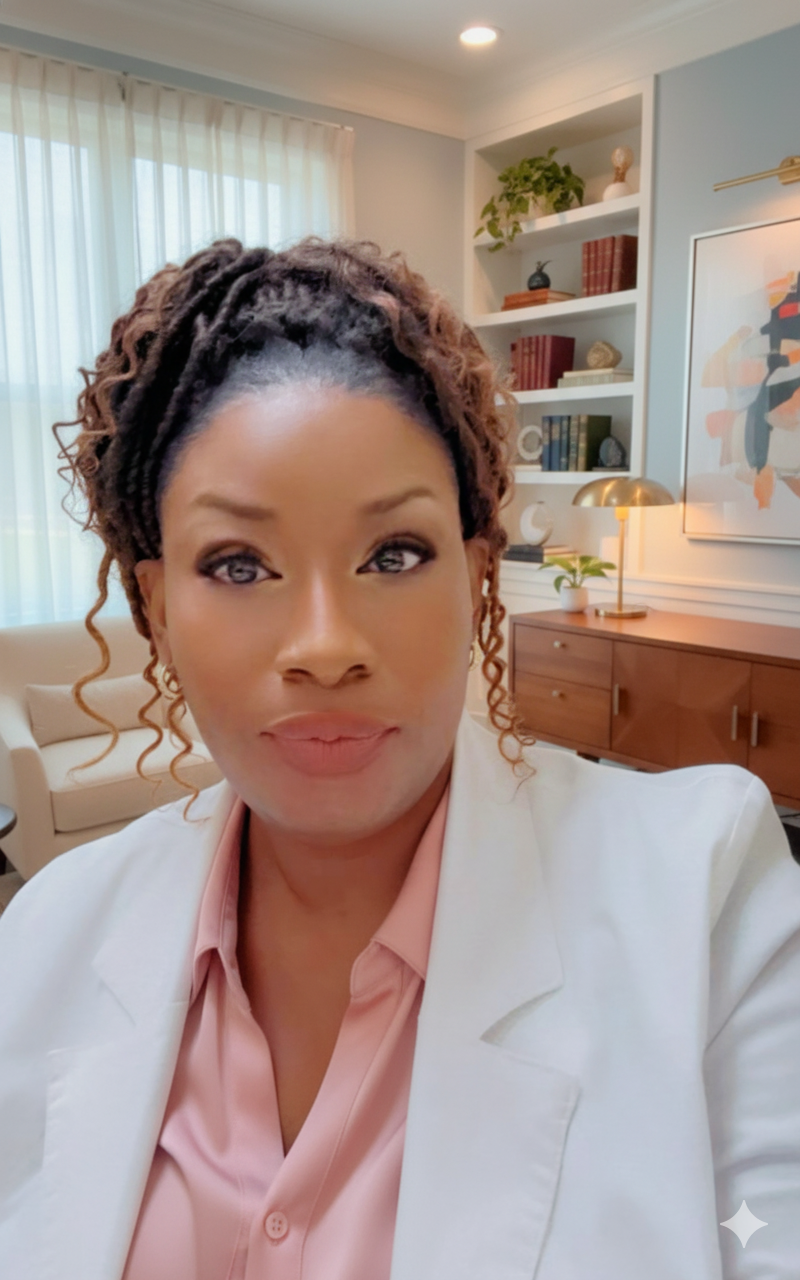

About Bipolar Disorder Services
Our Bipolar Disorder Services support adults and adolescents living with Bipolar I, Bipolar II, or cyclothymia. We provide a steady, stigma-free space to understand mood patterns, restore daily rhythm, and build long-term stability. Care is evidence-based and practical—aimed at reducing mood episode frequency/intensity, improving functioning, and strengthening resilience. Plans are individualized to each person’s history, values, and goals, with support for families and partners when helpful.
Frequently Asked Questions
What bipolar-related needs do you address?
We help with depressive, hypomanic, and manic symptoms; rapid cycling; sleep and energy disruptions; irritability and impulsivity; anxiety and ADHD features; substance use; work/school strain; relationship stress; and relapse-prevention planning (early warning signs, triggers, and safety plans).
What approaches do you use in bipolar care?
We tailor treatment using evidence-based methods such as Interpersonal and Social Rhythm Therapy (IPSRT) for sleep/routine stabilization; Cognitive Behavioral Therapy for Bipolar Disorder (CBT-BD); Family-Focused Therapy (FFT) and psychoeducation; skills for emotion regulation and impulse control; behavioral activation for bipolar depression (with safeguards); and collaborative care with prescribing clinicians for mood stabilizers/atypical antipsychotics when appropriate.
How can treatment help me or my loved one?
Treatment can reduce relapse risk, lengthen periods of wellness, and improve sleep, focus, and decision-making. You’ll learn tools to manage triggers, structure daily routines, navigate work/school demands, and strengthen relationships—supporting consistent functioning and quality of life.
Can services help if I’m not sure about the diagnosis or I’m between episodes?
Yes. We can start with mood tracking, sleep/rhythm stabilization, and practical coping strategies while evaluation proceeds. Skills built between episodes—routine, medication literacy, relapse-prevention plans—often make the biggest difference long-term.
How long does bipolar treatment usually take?
Duration varies by goals and phase of care. Some benefit from focused blocks (8–12 sessions) to build routines and relapse-prevention skills; others choose longer-term support for maintenance and life transitions. Early sessions set measurable goals, cadence (weekly, biweekly, or booster visits), and a review schedule to adjust the plan as progress unfolds.